Why We Choose Natural Diamonds: An Antwerp Jeweler's Honest Perspective
6 min read
6 min read
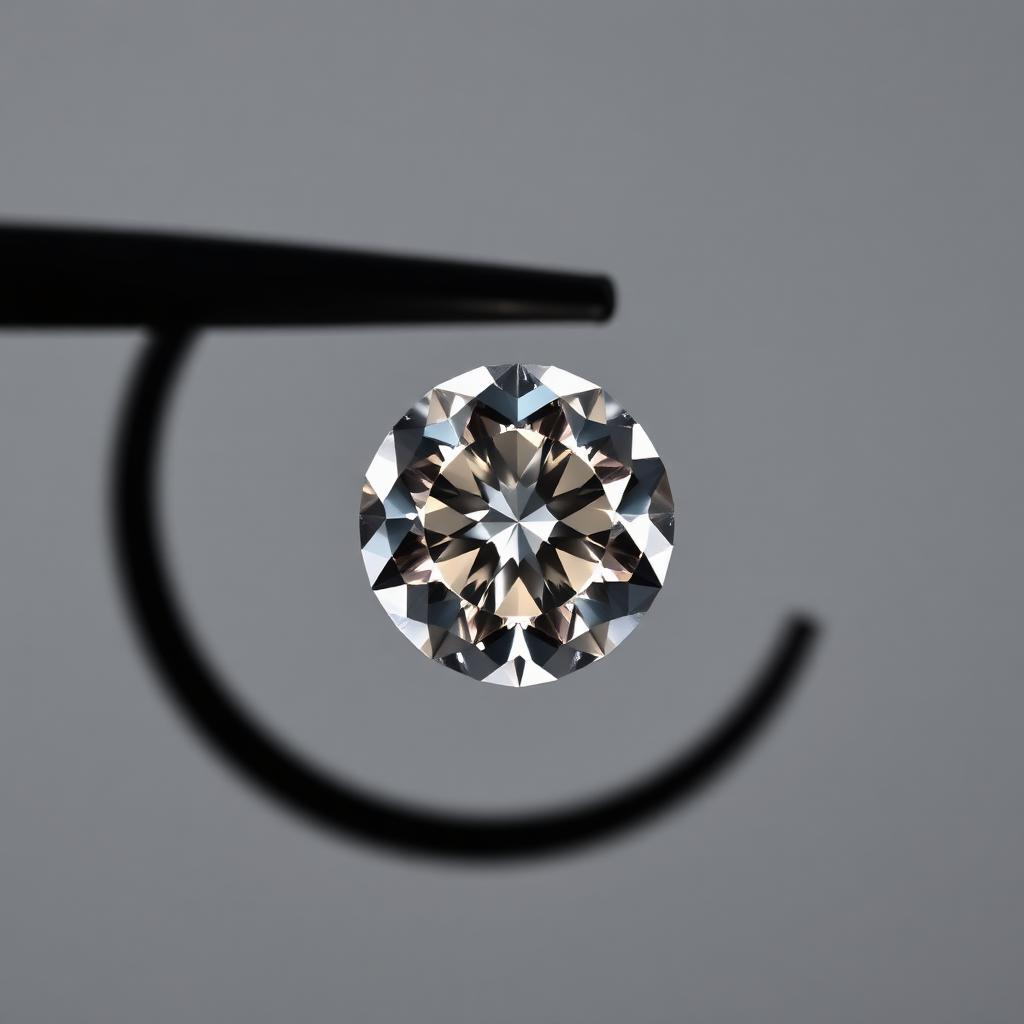
It is the question we are asked most often at the bench these days, and it deserves a straight answer. Lab-grown diamonds are real diamonds. They are chemically identical to natural stones, they sparkle the same way, and they are certified by the same laboratories. For a fashion piece, for a first pair of studs, for a client who wants a lot of carat weight on a small budget, they can be a perfectly good choice.
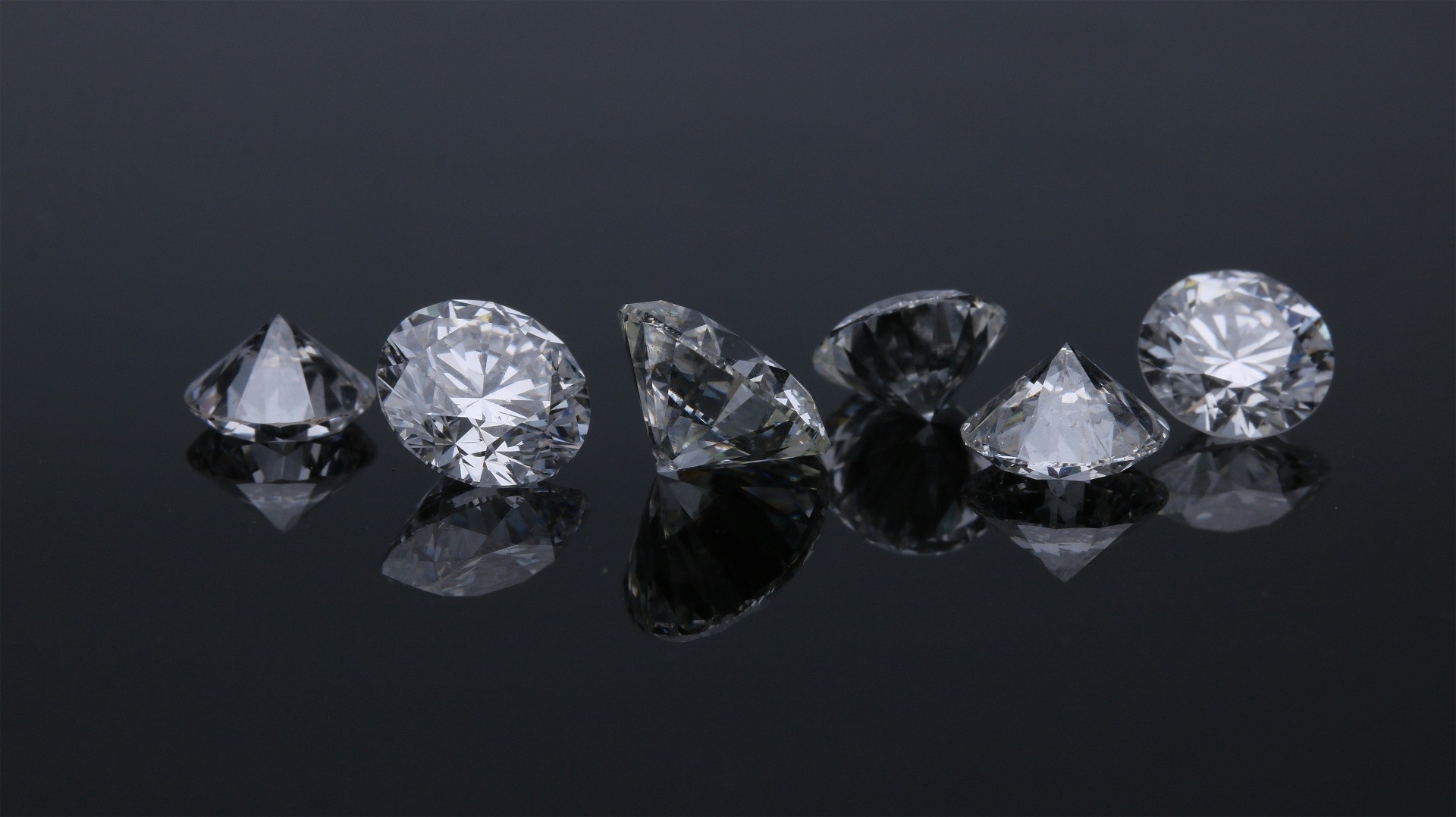
But for the pieces people bring to us, engagement rings, wedding bands, an anniversary Riviera, a stone to be reset for a granddaughter, we still choose natural. Not out of nostalgia, and not to sell against the market. For reasons that, after nearly forty years at the bench, feel to us like they matter.
A natural diamond is roughly three billion years old. It formed under pressures and temperatures the surface of the earth has never seen, and rose, over eons, to a place where a person could eventually find it. A lab-grown diamond, however beautiful, is a matter of weeks in a controlled chamber. Both are carbon. Only one carries a history.
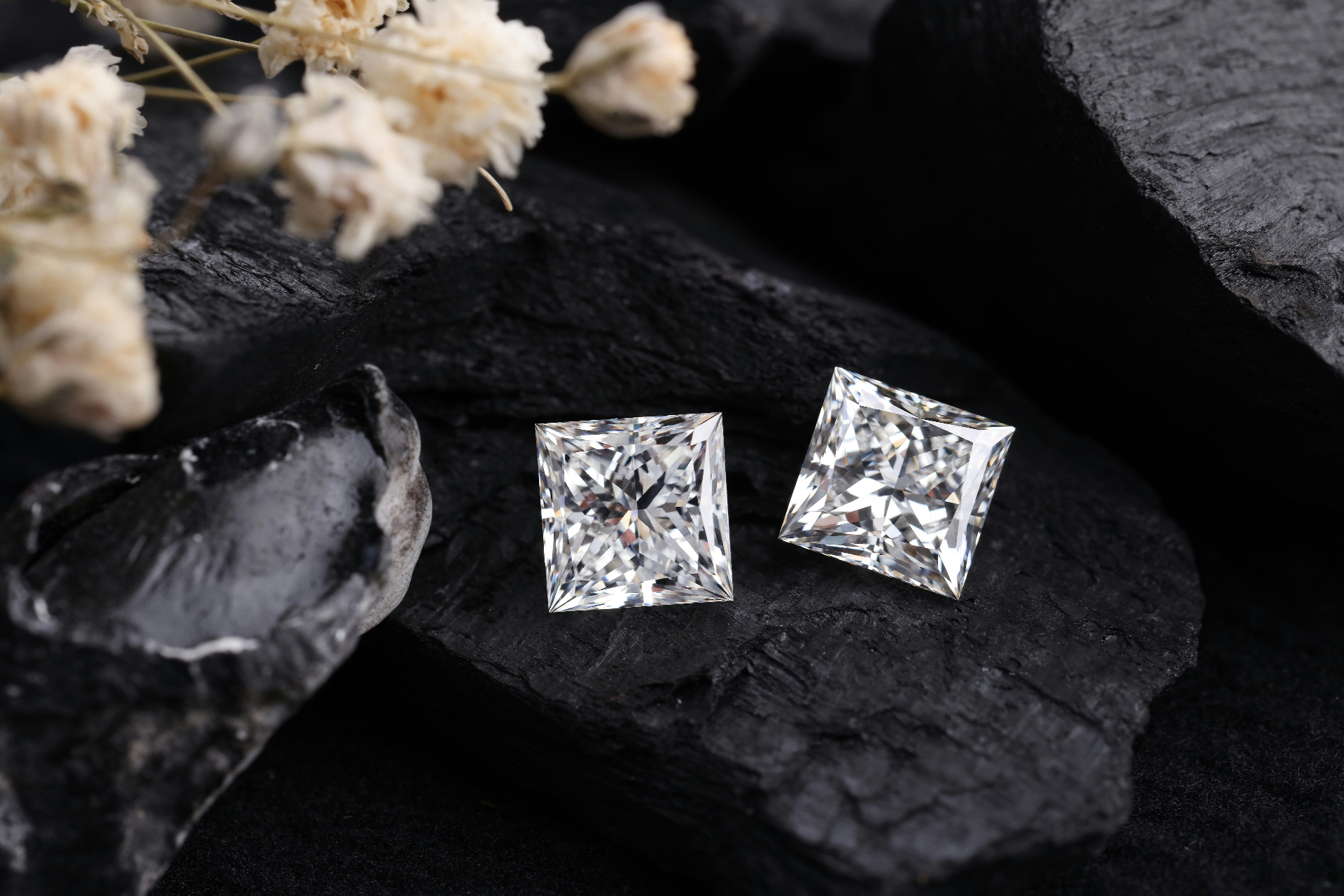
That history matters because jewelry, at its best, is a way of holding time. A ring you slide onto a finger to mark the beginning of a marriage should have already outlasted empires. A stone you plan to pass to a daughter or a grandson should be, itself, a thing that was passed down to you by the earth. It is a quiet romance, and it is the reason natural diamonds have carried meaning for as long as humans have made vows.
There is a practical dimension too, and we would be doing our clients a disservice not to name it. Lab-grown prices have fallen roughly eighty percent in the last five years and are still falling. What cost ten thousand euros in 2020 costs a fraction of that today, and will cost less next year. A natural diamond, chosen well, tends to hold its value across decades. Not as an investment, but as a thing that does not evaporate. When a client sits down with us to plan a piece meant to be worn for a lifetime and passed on, we think that matters.
The other quiet difference is uniqueness. Every natural diamond has an internal fingerprint of tiny inclusions, the small marks left by three billion years of pressure. No two are identical. When we spend an afternoon in the Antwerp district finding the right stone for a client, we are matching a particular fingerprint to a particular person. Lab-grown stones, produced from the same recipe, are far more uniform. That is neither good nor bad. But for a symbol of a marriage, we prefer the stone that is genuinely one of one.
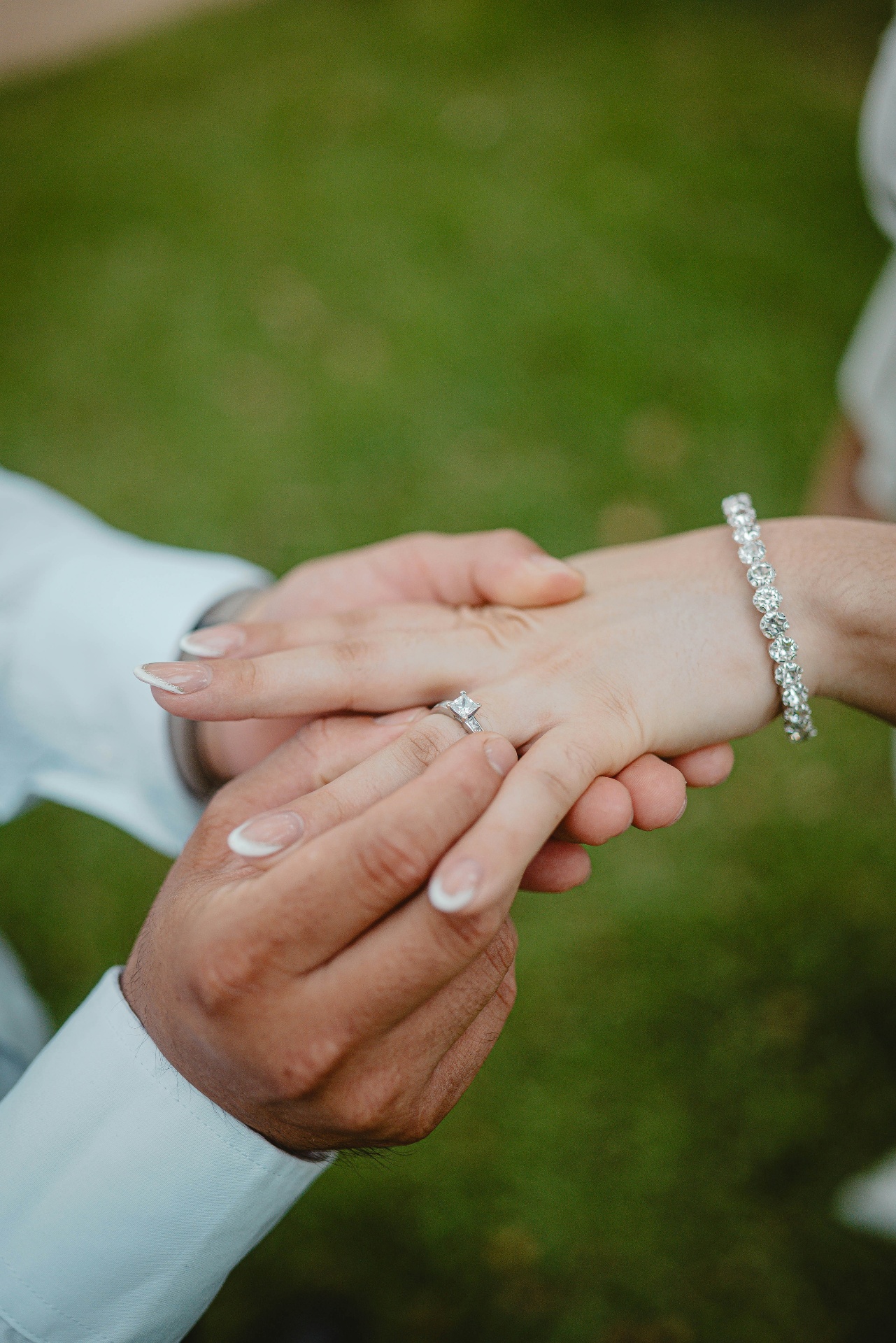
None of this is a case against lab-grown diamonds. They are real, they are lovely, and for the right piece, we can source them for you and will tell you honestly what we think. The question is not which stone is better in the abstract. The question is what a specific piece is being made to do. A pair of everyday studs is one conversation. A ring you plan to wear every day for fifty years is another.
Antwerp is the diamond capital of the world for a reason. Five hundred years of expertise in reading, cutting and setting stones. That heritage is built around natural diamonds. When you buy one here, you are not just buying a stone. You are buying the eye of the person who chose it, the certification of a laboratory that has seen millions like it, and a chain of provenance that goes back to the mine. That is the tradition we belong to, and it is the one we still believe in.
If you are thinking about a ring, come sit with us. Bring your questions about lab-grown, natural, ethical sourcing, budget, all of it. We will show you both under the loupe and let the stones make their own argument. In the end, the piece you leave with should be the one that feels right in your hand, and the one you will still want on your finger in thirty years.
Every stone we set is natural and earth mined. You can see them in our natural diamond engagement rings, each one handcrafted in Antwerp.
Continue reading

"Happiness is not a destination. It is a way of traveling through life, adorned with moments of grace." A note from founder Iakov on presence, grace, and the pieces we live in.

There's a feeling, a certain weight and warmth, when holding a piece of jewelry that's been loved before. On heirlooms, memory, and the pieces that outlive us.

Most people know the 4 Cs: cut, color, clarity, carat. In the Antwerp diamond district, the story goes deeper. What we look for at the bench.