Understanding Diamond Quality: Insights from Antwerp
5 min read
5 min read

Most people know the 4 Cs: cut, color, clarity, carat. They are the framework the world uses to talk about diamonds, and they are useful shorthand. But in the Antwerp diamond district, where stones have been sorted and cut for more than five hundred years, the conversation goes further. When we sit down with a loupe, we're not reading a certificate. We're reading a stone.
Cut is where the light lives. A well-cut stone at a modest color grade will outshine a poorly cut stone two grades brighter, every time. The angles of the pavilion, the size of the table, the symmetry of the facets, these decide whether a diamond dances or just sits there being expensive. We prefer character over spec sheets: a stone that lifts the room rather than one that photographs well.
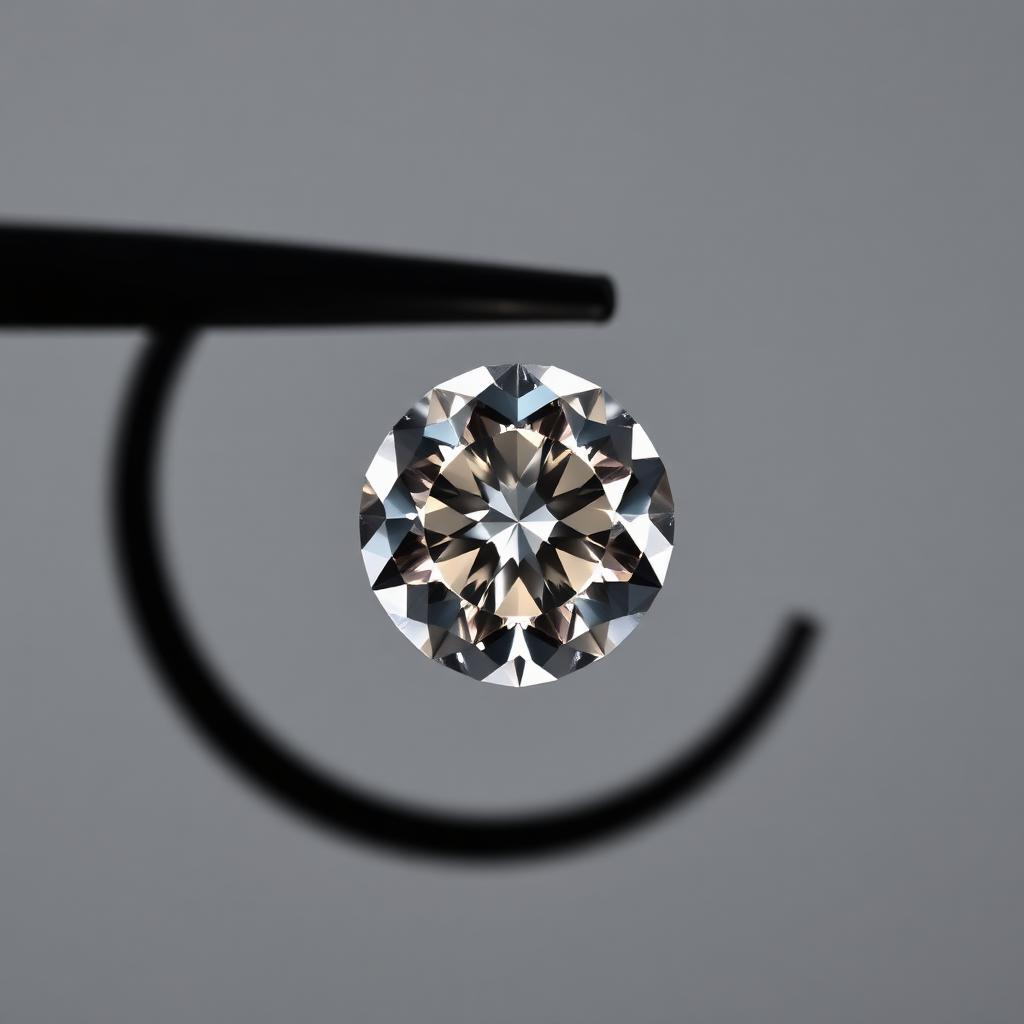
Color, at the grades we work with, is largely a question of setting. A G in yellow gold reads whiter than a D in platinum, to most eyes. The right metal is half the color decision. We rarely recommend chasing the top of the scale unless the stone is destined for platinum and daylight; you're paying for a distinction only a grader with a master set can see.
Clarity is where we push back hardest against the certificate culture. An SI1 with the inclusion tucked under a prong is invisible to the naked eye and worth a fraction of a VVS. We hunt for these stones. It is one of the quiet ways an Antwerp bench earns its keep.
Carat is the easy one. Weight is weight. But two one-carat stones can look wildly different depending on how they're cut, spread flat for face-up size, or cut deep for brilliance. We tend to prefer the ones that carry their weight beautifully rather than shallowly.
Provenance matters, and it matters more every year. We know the people who cut our stones. We can trace where they came from. We work only with suppliers whose chain of custody we understand. This is what Antwerp gives you that no online configurator can: a person who has held the stone, and who can tell you why this one, and not the one next to it.
If you are thinking about a diamond, for an engagement, for a milestone, for yourself, ask us to sit down with a loupe. We'll show you what we look at, and why. It's the most useful hour you can spend before you buy.
Once you know what to look for, the best next step is to see it in person. Browse our diamond rings handcrafted in Antwerp, or book a private viewing at 59 Vestingstraat.
Continue reading
Lab-grown diamonds are real diamonds, and they have their place. Here is why, at MAISON IN, we still choose natural stones for the pieces meant to last a lifetime.

"Happiness is not a destination. It is a way of traveling through life, adorned with moments of grace." A note from founder Iakov on presence, grace, and the pieces we live in.

There's a feeling, a certain weight and warmth, when holding a piece of jewelry that's been loved before. On heirlooms, memory, and the pieces that outlive us.